
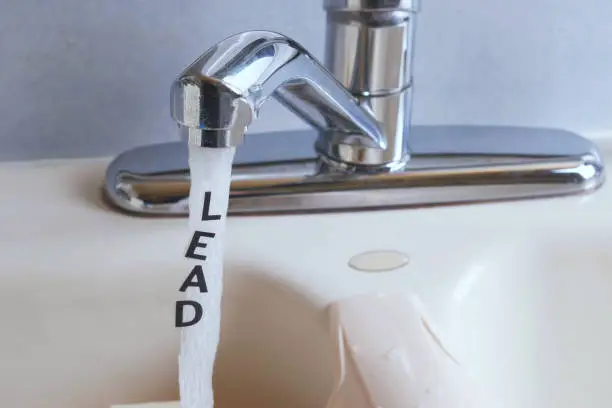
For decades, lead has been recognized as one of the most dangerous contaminants in drinking water. Yet despite regulatory progress and public awareness, the problem persists in homes, schools, and communities across the globe. Lead exposure is insidious: it often goes unnoticed until health effects appear, and unlike many other contaminants, there is no safe threshold. Even trace amounts can cause harm, particularly to children and pregnant women. This article explores why lead remains central to water testing decisions, how it interacts with other metals and corrosion indicators, and why certified laboratory analysis is the most reliable path to understanding and addressing contamination.
The Legacy of Lead in Plumbing
Lead’s presence in water systems is largely a legacy of past construction practices. For much of the 20th century, lead was used in service lines, solder, and fixtures because of its durability and malleability. Although regulations now prohibit its use, millions of older buildings still rely on plumbing that contains lead.
When water flows through these pipes, corrosion can release lead particles or dissolved lead into the supply. The risk is heightened when water chemistry is aggressive—low pH, high chloride, or insufficient protective coatings can accelerate leaching. Unlike microbial contaminants, which can be disinfected, lead contamination often requires infrastructure replacement or corrosion control strategies.
Health Risks: Why Lead Is Different
Lead exposure is linked to a wide range of health problems, and its effects are cumulative.
- Children: Even small amounts can impair cognitive development, reduce IQ, and cause behavioral issues.
- Pregnant women: Lead can cross the placenta, affecting fetal growth and neurological development.
- Adults: Long-term exposure increases risks of hypertension, kidney damage, and cardiovascular disease.
The U.S. Environmental Protection Agency (EPA) emphasizes that no level of lead is considered safe. The Centers for Disease Control and Prevention (CDC) echoes this stance, urging communities to minimize exposure wherever possible.
Lead in Context: Copper, Iron, and Corrosion Indicators
Testing lead alone provides limited insight. A more comprehensive approach includes copper, iron, and corrosion indicators such as pH, alkalinity, and chloride levels.
- Copper: Elevated copper often accompanies lead, as both metals leach from plumbing systems. Copper can cause gastrointestinal distress and, at high levels, liver or kidney damage.
- Iron: While less toxic, iron signals corrosion activity. Rust-colored water or metallic taste may indicate conditions that also release lead.
- Corrosion indicators: Low pH or high chloride levels accelerate metal leaching. Alkalinity and hardness can buffer against corrosion, but imbalances create risk.
By comparing lead results with these parameters, laboratories can determine whether contamination is fixture-specific or systemic.
Certified Laboratory Testing vs. DIY Kits
DIY test kits are popular for their convenience, but they often lack the precision needed for regulatory compliance or health decisions. Certified laboratories, such as Water Testing Lab’s Laboratory Services, use standardized methods to ensure accuracy.
- EPA-approved methods: Techniques like ICP-MS (Inductively Coupled Plasma Mass Spectrometry) detect lead at extremely low concentrations.
- Chain of custody: Proper sample handling ensures results are defensible in legal or regulatory contexts.
- Comparative analysis: Labs can test for multiple metals simultaneously, providing a clearer picture of plumbing health.
For homeowners, schools, and municipalities, certified testing is the gold standard.
Local vs. Systemic Contamination
One of the most important distinctions in water testing is whether lead contamination originates from a single fixture or the broader plumbing system.
- Fixture-specific: A single faucet may show elevated lead due to localized corrosion.
- Systemic: Consistent results across multiple taps suggest a larger infrastructure issue.
Understanding this distinction helps prioritize remediation efforts. For example, replacing one faucet may solve a localized problem, but systemic contamination may require pipe replacement or corrosion control treatment.
Regulatory Standards and Guidelines
The EPA’s Lead and Copper Rule sets an action level of 15 parts per billion (ppb) for lead. However, many experts argue this threshold is too lenient given the health risks. Schools and childcare facilities are urged to adopt stricter standards, often aiming for levels below 5 ppb.
- World Health Organization (WHO): Recommends minimizing lead exposure as much as possible (WHO Fact Sheet).
- Local guidelines: Many states and municipalities enforce stricter limits, reflecting growing concern.
These evolving standards highlight the importance of ongoing testing and vigilance.
Why Lead Still Belongs at the Center of Testing Decisions
Lead’s unique toxicity, persistence, and widespread presence make it a central focus of water testing strategies. While other contaminants like nitrates or bacteria pose serious risks, lead’s irreversible health effects and infrastructure-based origins demand special attention.
- Children at risk: Lead exposure can impair learning and behavior.
- Long-term effects: Adults face increased risks of hypertension and kidney damage.
- Infrastructure challenge: Addressing lead often requires costly pipe replacement, making early detection critical.
Practical Steps for Homeowners and Communities
- Schedule certified testing through services like Water Testing Lab.
- Review results alongside copper and iron levels to understand corrosion patterns.
- Consult the FAQ section (Water Testing Lab FAQ) for guidance on interpreting results.
- Contact professionals (Contact Page) for remediation advice.
- Stay informed through authoritative resources like EPA and CDC.
Case Studies: Lessons from Communities
Several communities illustrate the importance of proactive testing:
- Flint, Michigan: The water crisis revealed how systemic lead contamination can devastate public health.
- Washington, D.C.: Elevated lead levels in schools prompted stricter testing protocols.
- Small towns: Even rural areas with private wells face risks when plumbing materials contain lead.
These examples underscore that lead contamination is not confined to large cities—it can affect any community.
The Future of Lead Testing
Advances in technology are improving detection and remediation. Portable sensors, predictive modeling, and corrosion inhibitors offer new tools for managing risk. Yet certified laboratory testing remains the cornerstone of reliable analysis.
As infrastructure ages and water chemistry changes, ongoing vigilance is essential. Communities must invest in testing, remediation, and education to protect public health.
Conclusion
Lead in drinking water is not a relic of the past—it remains a pressing issue that requires vigilance. By testing comprehensively, interpreting results in context, and relying on certified laboratories, communities can make informed decisions to protect public health. Lead deserves to remain at the center of water testing conversations, not only because of its toxicity but also because of its ability to reveal broader plumbing and corrosion challenges.