
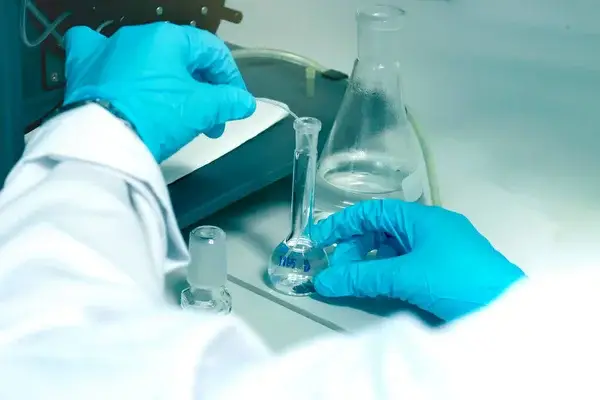
When you care for a household, your relationship with water is constant. It is in the coffee you brew, the pasta you boil, the baths you draw for your children, and the first glass of water your family drinks to start the day. Because this resource is so fundamental to your family’s daily life, “average” or “good enough” testing simply doesn’t cut it.
Many families rely on basic home kits or standard utility reports, only to find themselves with more questions than answers. A truly smart approach to water quality moves beyond simple snapshots and treats your home’s water as a dynamic system that requires clear, professional oversight.
Why Standard Reporting Often Falls Short
Most municipal water quality reports are designed to show that a utility is meeting broad regulatory compliance. While this is important, it doesn’t tell the story of your home. By the time water travels through miles of aging city mains, enters your service line, and sits in your home’s pipes, its chemistry can change significantly.
When you invest in laboratory services, you are moving from a general assessment to a specific diagnostic. You are looking at how your home’s unique infrastructure—from the pipes behind your walls to the faucets in your kitchen—interacts with the water supply. It is the difference between reading a weather report for your state and looking at the thermometer on your own back porch.
The Power of Contextual Testing
A smarter testing strategy is not just about identifying a number; it’s about understanding the “why.” For instance, seeing a result for lead or copper is one thing, but understanding why those metals are appearing is where the real value lies.
Our testing methods are designed to isolate variables. By comparing “first-draw” samples (water that has sat in the pipes) against “flushed” samples, we can pinpoint whether a contaminant is coming from the municipal source or if it is being leached internally due to your home’s specific plumbing materials and water corrosivity. This is the level of detail that separates guesswork from effective solutions.
Tailoring the Analysis to Your Needs
Not every family needs to test for the exact same things. If you have an older home with original piping, your primary concerns might be lead and copper. If you are on a private well or live in an area with specific agricultural or industrial history, you may need to expand the contaminants tested to include nitrates, pesticides, or VOCs (Volatile Organic Compounds).
A smarter approach means customization. It means identifying the risks inherent to your specific locations and building a testing profile that addresses them directly. It’s about being proactive rather than reactive, ensuring that you aren’t paying for data you don’t need while making sure you aren’t missing the data that matters most.
Getting Answers You Can Use
The most frustrating part of water testing is receiving a report filled with scientific jargon and not knowing what to do with it. Our goal is to translate that data into actionable steps. Whether the solution is as simple as a specific type of point-of-use filter or as involved as a whole-house treatment system, you deserve a clear path forward.
Our FAQ is a great starting point for understanding these options, but nothing replaces a conversation with a professional. We help families navigate the complexities of their results, helping them prioritize their budget and their health concerns effectively.
Building a Culture of Water Safety
Water quality isn’t a one-time project; it’s a commitment. By establishing a professional testing baseline now, you protect your home’s value and your family’s well-being for years to come. If you renovate, change your appliances, or simply want the peace of mind that comes with regular monitoring, you already have the groundwork laid.
If you are tired of wondering and are ready for real answers, our contact page is the gateway to a more transparent water supply. Let’s move past the guesswork and ensure your family has the information they need to thrive.
Water safety is a journey, not a destination. For more insights on how to stay ahead of potential issues, explore our blog for regular tips on maintaining a healthy and safe water system in your home.
What is the one lingering question you have about your home’s water quality that you haven’t been able to find a clear answer for?