
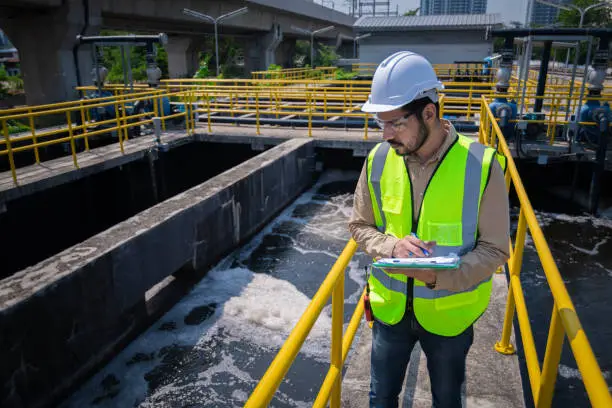
In many commercial buildings, water testing is still treated as a routine task—something done for compliance, documentation, or occasional reassurance.
But that approach misses the real opportunity.
When structured properly, commercial water testing is not just a technical exercise. It becomes a form of operations intelligence—a way to understand how a building’s plumbing system is actively influencing performance, maintenance needs, and daily operations.
Instead of reacting to issues after they appear, building teams can use water data to make better decisions before problems escalate.
Why Water Testing Is Often Underused in Commercial Buildings
Most commercial properties approach water testing in a limited way:
- To meet regulatory or internal requirements
- To respond to a complaint or concern
- To check a single parameter when something seems wrong
- To complete a scheduled inspection checklist
While these uses are valid, they only capture a small part of what water data can offer.
In reality, water systems are continuously interacting with:
- Plumbing infrastructure
- Usage patterns
- Occupancy levels
- Maintenance activity
That means water data can reveal operational patterns—not just contamination levels.
Why Water Quality Reflects Building Performance
Water does not behave in isolation. It moves through the entire building system, interacting with:
- Pipes and fittings
- Storage systems (if present)
- Fixtures and endpoints
- Flow demand patterns throughout the day
Because of this, water quality can indirectly reflect:
- System wear and aging
- Usage intensity across zones
- Efficiency of maintenance practices
- Stability of plumbing infrastructure
In other words, water is not just a utility—it is a diagnostic signal for the building itself.
Why Reactive Testing Limits Decision-Making
When testing is only done in response to a problem, it often leads to:
- Delayed understanding of root causes
- Repeated short-term fixes
- Unclear responsibility between contractors and operators
- Lack of historical comparison data
This reactive approach treats water testing as an endpoint rather than an ongoing source of insight.
By the time testing happens, the operational impact may already be affecting tenants, staff, or building systems.
What Operations Intelligence Means in Water Testing
Thinking of water testing as operations intelligence changes its purpose.
Instead of asking:
- “Is there a problem?”
The focus becomes:
- “What is the system telling us about how the building is functioning?”
This includes understanding:
- Trends over time
- Differences between zones or fixtures
- Impact of maintenance or upgrades
- Early signs of system stress
This shifts water testing from a reactive tool to a proactive decision-support system.
How Certified Analysis Supports Better Decisions
Certified water analysis provides structured, reliable data that can be used across multiple operational areas.
It can help with:
Maintenance planning
- Identifying areas with potential corrosion activity
- Spotting recurring system irregularities
- Prioritizing pipe or fixture inspection schedules
Contractor evaluation
- Verifying whether repairs improved water conditions
- Comparing pre- and post-maintenance results
- Identifying unresolved system issues
Facility management decisions
- Understanding how usage patterns affect water quality
- Planning upgrades based on system behavior
- Allocating resources more effectively
Risk awareness
- Detecting early signs of contamination
- Monitoring stability in key water parameters
- Supporting long-term system health strategies
Why Sampling Strategy Is Critical in Commercial Settings
In commercial buildings, one sample is rarely enough.
Water conditions can vary across:
- Floors
- Wings or zones
- High-use vs low-use areas
- Different types of fixtures
A structured sampling approach ensures that results reflect the building as a whole—not just one isolated point.
This is especially important in complex environments where water demand changes throughout the day.
Why Water Data Helps Identify System Patterns
When collected consistently over time, water testing data can reveal patterns such as:
- Seasonal changes in water quality
- Effects of occupancy fluctuations
- Impact of maintenance cycles
- Gradual system degradation or improvement
These patterns are extremely valuable for long-term building management.
Why Plumbing Systems Behave Like Operational Networks
A commercial plumbing system is not static—it behaves like a network with inputs, flow, and demand variation.
It responds to:
- Peak usage periods
- Low-demand stagnation times
- System pressure changes
- Infrastructure constraints
Because of this, water quality can act as a real-time indicator of system behavior.
Why Water Quality Problems Are Often Operational Signals
Many water quality problems are not isolated chemical events. They often reflect:
- Infrastructure aging
- Flow imbalance
- Maintenance gaps
- Design limitations
Understanding water results in this way turns them into actionable operational insights rather than standalone technical findings.
Why Documentation Over Time Matters
A single test provides a snapshot. A series of tests provides a story.
Long-term water data allows building teams to:
- Track changes in system performance
- Compare different operational periods
- Evaluate the impact of interventions
- Build a baseline for future decisions
This historical context is essential for operational intelligence.
Why Interpretation Is as Important as Measurement
Raw data alone is not enough in a commercial environment.
What matters is interpretation:
- What does this trend indicate?
- Is this variation expected or unusual?
- Does this require maintenance action?
- How does this affect building performance?
Without interpretation, even accurate results can remain unused.
Why Laboratory Structure Supports Reliability
Operations intelligence depends on consistent and trustworthy data.
Structured laboratory services ensure:
- Standardized testing procedures
- Accurate measurement methods
- Reliable comparison across samples
- Defensible results for decision-making
This consistency is what makes long-term operational analysis possible.
Why Testing Methods Influence Operational Insight
Different testing methods determine:
- Sensitivity of detection
- Types of contaminants identified
- Precision of measurement
- Reliability of trends over time
Choosing the right methods ensures that operational decisions are based on meaningful data.
Why Location Context Still Matters
Commercial water behavior is also influenced by:
- Regional infrastructure
- Building type and age
- Local water supply conditions
- Usage density in specific areas
Checking available locations ensures testing is aligned with real environmental conditions.
Why Water Testing Should Be Part of Building Intelligence Systems
When integrated properly, water testing becomes part of a larger operational framework alongside:
- HVAC monitoring
- Electrical system checks
- Maintenance logs
- Facility performance tracking
This creates a more complete understanding of how the building is functioning overall.
Final Thoughts
Commercial water testing should not be treated as a checkbox task or an occasional compliance requirement.
It should be treated as operations intelligence—a structured way to understand how a building’s plumbing system behaves, changes, and responds over time.
When interpreted correctly, water data can guide maintenance decisions, improve operational efficiency, support contractor accountability, and provide early insight into system performance.
Because in commercial environments, water is not just a utility—it is a continuous stream of information about how the building is actually operating behind the scenes.