
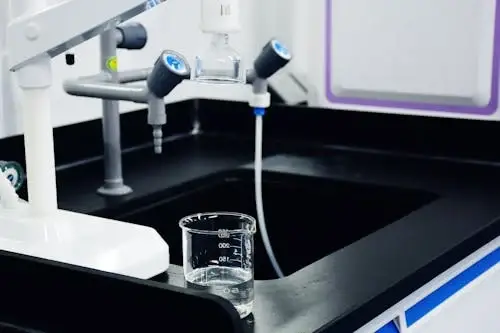
At first glance, a basic water screen and a certified water analysis may look like they are doing the same thing—testing water and producing results.
But in practice, they are very different tools designed for very different levels of understanding.
A quick screen might give you a few numbers. A certified analysis gives you a structured, controlled, and interpretable picture of water quality.
That difference becomes especially important when concerns involve lead, bacteria, PFAS, arsenic, corrosion, or overall potability.
Why Basic Screens Feel Convenient but Limited
Basic or rapid screening tests are popular because they are:
- Fast
- Simple to use
- Relatively inexpensive
- Available for immediate results
They are often used as a first check when something seems off.
However, their simplicity comes with trade-offs in:
- Accuracy
- Scope
- Sensitivity
- Interpretation depth
They may tell you something is present, but not fully explain what it means.
Why Certified Analysis Is Built Differently
Certified water analysis follows a controlled laboratory process that includes:
- Standardized testing methods
- Quality assurance procedures
- Calibrated instrumentation
- Verified detection limits
- Chain-of-custody sample handling
This structure ensures results are not only measured but also defensible and consistent.
Understanding different testing methods helps explain why this level of control matters.
What Basic Screens Often Miss in Real Water Systems
Basic screens typically fall short in several key areas:
- Limited contaminant range
- Lower precision at small concentrations
- Inability to separate similar chemical conditions
- Minimal or no contextual interpretation
- Lack of system-level insight
This means they may detect a signal without explaining its cause or significance.
Why Lead and Metal Testing Needs Precision
Metals like lead, copper, and arsenic require careful measurement because:
- They may appear at very low concentrations
- They are influenced by plumbing materials
- They can vary depending on fixture and usage
- Small differences can change interpretation significantly
A basic screen may detect presence, but certified analysis determines how meaningful that presence actually is.
Why Bacteria Testing Requires Controlled Conditions
Microbiological testing is especially sensitive to:
- Sample handling
- Timing
- Environmental exposure
- Collection method
Certified analysis ensures these variables are controlled, while basic screening may not.
This makes a major difference when evaluating indicators like:
- Coliform
- E. coli
- HPC levels
Why PFAS Cannot Be Reliably Screened at Home
PFAS compounds are:
- Extremely low in concentration
- Chemically complex
- Not visible or detectable by taste or smell
Basic screens are not designed to accurately measure them, while certified labs use specialized instrumentation for detection and quantification.
Why Arsenic Requires Laboratory-Level Accuracy
Arsenic testing demands:
- High sensitivity
- Precise detection thresholds
- Reliable calibration methods
Without these controls, results may be incomplete or misleading, especially in borderline cases.
Why Corrosion Indicators Need Interpretation
Corrosion is not a single contaminant—it is a system condition.
Certified analysis can help identify:
- Whether corrosion is actively occurring
- How it may be affecting metals in the water
- Whether it is localized or system-wide
Basic screens typically do not evaluate corrosion behavior at all.
Why Potability Is More Than a Single Result
Potability is not defined by one number or one contaminant.
It depends on:
- Multiple chemical factors
- Microbiological indicators
- Stability of water conditions
- Interaction between plumbing and water chemistry
A certified approach evaluates these together rather than separately.
Why Sample Handling Changes Everything
Certified labs use strict procedures for:
- Sample collection
- Storage conditions
- Transport timing
- Chain-of-custody tracking
These steps ensure that the sample reflects real conditions.
Basic screens often lack this level of control, which can affect reliability.
Why Interpretation Is a Key Difference
One of the biggest gaps between basic and certified testing is interpretation.
A certified report can help explain:
- What the result means in context
- Whether it is significant or minor
- How multiple findings relate
- Whether further action is needed
Without interpretation, numbers alone can be misleading or confusing.
Why Water Quality Problems Are Interconnected
Water systems rarely produce isolated issues. Instead, conditions often overlap across:
- Metals
- Microbial activity
- Chemical contaminants
- Plumbing system behavior
Understanding broader water quality problems helps place individual findings into a more complete picture.
Why Scope Matters More Than Speed
A quick screen prioritizes speed. A certified analysis prioritizes completeness.
That means:
- Broader contaminant coverage
- More accurate results
- Better system understanding
- More useful long-term decisions
Why Not All “Results” Are Equally Useful
Two tests can both produce results—but only one may be meaningful.
The difference lies in:
- Method quality
- Detection accuracy
- Sample integrity
- Contextual interpretation
A result without context is just data. A certified analysis turns that data into understanding.
Why Professional Laboratory Structure Matters
A certified process through structured laboratory services ensures:
- Repeatability
- Accuracy
- Regulatory alignment
- Technical reliability
This is what allows results to be used confidently for decisions.
Why Location and System Context Still Matter
Even certified results must be interpreted in relation to:
- Local infrastructure
- Plumbing conditions
- Building age and design
- Regional water characteristics
Checking available locations ensures testing is aligned with the correct system context.
Final Thoughts
Basic water screens can be useful as an early indicator, but they are not designed to provide full understanding.
Certified water analysis goes further by offering:
- Broader contaminant coverage
- Controlled laboratory conditions
- Reliable measurement methods
- Meaningful interpretation
Most importantly, it connects individual findings into a structured view of how the water system is actually behaving.
Because in real-world conditions, knowing something is present is not enough—the real value comes from understanding what it means, why it is happening, and whether it matters.