
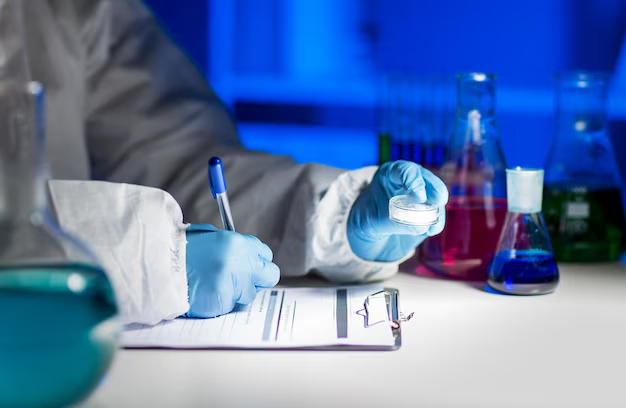
In an era of instant information, the temptation to rely on “DIY” solutions for everything from home repairs to health monitoring is stronger than ever. It is common to see home water testing kits in big-box stores—quick, inexpensive, and promising immediate answers. But when it comes to the safety of the water your family drinks and uses every day, the difference between a “test” and a “result” is profound. This is why certified laboratory services remain the gold standard for anyone seeking real, actionable, and reliable information.
The Problem with “Good Enough”
Many consumer-grade testing kits provide a color-coded strip that gives you a rough estimate of certain water parameters. While these can offer a very basic snapshot, they often lack the sensitivity required to detect contaminants at levels that still pose a health risk.
For example, the EPA action level for lead is 15 parts per billion (ppb). Most home test strips are not calibrated to detect lead at such precise, minute concentrations. If a strip doesn’t change color, it doesn’t mean your water is “safe”—it may simply mean the strip wasn’t sensitive enough to detect a problem that could still have long-term health implications. A certified laboratory, by contrast, uses advanced testing methods like Inductively Coupled Plasma Mass Spectrometry (ICP-MS), which can identify heavy metals at the parts-per-trillion level.
Rigor and Accountability
When you send a sample to a certified lab, you are not just getting a report; you are relying on a system of rigorous quality assurance. Certified labs must adhere to strict regulatory standards, which include:
- Calibration: Regular, mandatory calibration of all testing equipment to ensure precision.
- Proficiency Testing: Labs must periodically analyze “unknown” samples provided by regulatory bodies to prove their accuracy.
- Standardized Procedures: Every step, from sample collection to data entry, follows established protocols that prevent cross-contamination and human error.
This level of accountability ensures that the data you receive is scientifically defensible. Whether you are monitoring contaminants for your own peace of mind or for a real estate transaction, a certified lab report carries the weight of authority.
Understanding the “Why” Behind the Data
The most significant benefit of working with a certified lab isn’t just the final number on the paper; it is the expertise that comes with it. A professional lab doesn’t just hand you a spreadsheet of figures; they provide context.
Because we understand the locations we serve, we can help you distinguish between an anomaly and a pattern. If your water shows elevated manganese, we can explain the likely geological source. If your copper levels are fluctuating, we can help you understand if that indicates a need for plumbing maintenance or water chemistry treatment. This diagnostic capability is what separates a sterile report from a useful piece of home-ownership intelligence.
Navigating the Complexity of Water Chemistry
Water is a complex solvent. It is constantly interacting with the pipes, minerals, and environments it passes through. A certified lab treats your water sample as a complex puzzle that needs to be solved. They can interpret interactions that a home test kit simply cannot see, such as:
- Corrosivity: Measuring pH, alkalinity, and hardness together to determine if your water is eating away at your pipes.
- Organic Compounds: Identifying complex pollutants that require advanced chemical separation.
If you have questions about your report, our FAQ resources are here to help, but having a professional technician to speak with provides an extra layer of clarity that no app or kit can match.
Investing in Your Home’s Future
Choosing a certified lab is an investment in the long-term safety and value of your property. By keeping a consistent record of your water quality, you create a baseline for your home. If you ever decide to sell, upgrade your plumbing, or install a filtration system, having reliable, laboratory-verified data is an invaluable asset.
When you want real answers, you need more than a quick look; you need a professional process that leaves nothing to chance. If you are ready to move past the uncertainty of DIY methods and get the accuracy you deserve, visit our contact page to learn more about our services.
Water quality is foundational to your home environment. To stay updated on the latest standards and best practices, check out our blog for deeper dives into the science of water.
Have you ever compared the results from a home test kit to a professional lab report, and did you notice a significant difference?