
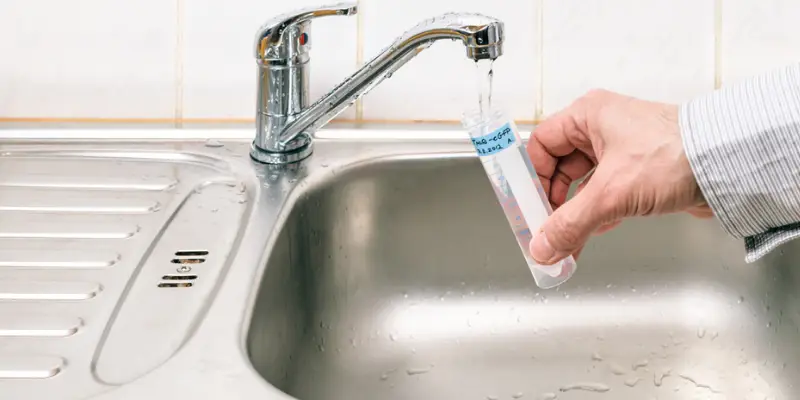
Mixed-use buildings—those vibrant hubs combining residential apartments, ground-floor retail, professional offices, and sometimes even food service—present a unique challenge for building managers. Unlike a single-family home or a purely commercial office block, these buildings have highly variable water usage patterns. One tenant might be a heavy-water-use coffee shop, while the floor above contains residential units with fluctuating occupancy, and the floors below hold quiet office spaces.
This complexity means that a “standard” water test is often insufficient. To truly understand the health of the water circulating through your pipes, you need occupancy-aware water testing.
The Challenge of Variable Stagnation
Water quality is heavily influenced by how often it moves. In a standard office building, there is a predictable rhythm of usage. In a mixed-use building, you have zones of massive high-flow demand sitting right next to zones of potential stagnation.
- The “Dead Leg” Risk: If a commercial space is vacant or a residential unit has a low-flow pattern, water can sit in the pipes for extended periods. This stagnation allows for the buildup of sediment, the leaching of metals like copper and lead, and the development of biofilms.
- Thermal Variation: Retail spaces often have different HVAC and water heater setups than residential units. Varying temperatures throughout the building’s plumbing can accelerate chemical reactions, such as scale formation or bacterial growth, at different rates in different zones.
When you invest in laboratory services, you cannot just test one “representative” tap. You need a testing plan that reflects the reality of your building’s usage map.
Testing That Maps Your Building
An occupancy-aware testing strategy treats your building like a complex network of nodes. You should analyze the contaminants tested based on how each zone is actually used:
- High-Volume Zones: Focus on mineral hardness and scaling potential to protect the heavy-duty machinery used by cafes or restaurants.
- Low-Flow/Residential Zones: Focus on heavy metals like lead and copper, which are more likely to leach into stagnant water.
- Main Supply Lines: Establish a baseline for the water entering the building to see what is coming from the municipal source versus what is being picked up by your building’s internal plumbing.
Using precise testing methods that differentiate between these zones gives you a granular understanding of where your risks are, allowing you to target maintenance where it is actually needed.
Liability and Tenant Satisfaction
In a mixed-use environment, your tenants have very different needs. A shop owner is concerned about the quality of the water used in their products; a resident is concerned about the water used in their shower and kitchen.
Proactive, occupancy-aware testing is your best defense against liability. It shows a commitment to every stakeholder in your building. When you have documented records that show you are monitoring the building’s specific plumbing dynamics, you build trust with your tenants and protect the building’s reputation.
The Importance of Localized Expertise
Every mixed-use building is subject to the unique water profile of its locations. Whether your building is served by a city system known for high chloramine levels or a well-based supply with high mineral content, these local factors will interact differently with your building’s specific plumbing age and layout.
We bring regional expertise to your testing plan, helping you understand how local water characteristics will behave within the complex pipes of a high-traffic, multi-use facility.
Building a “Smart” Maintenance Plan
You don’t have to guess why a specific unit is reporting a taste issue or why a commercial tenant is seeing equipment failures. By correlating your water quality records with your building’s occupancy patterns, you can create a smarter maintenance schedule.
Our FAQ section provides a great starting point for understanding these variables, but we encourage a direct conversation with our team for building managers who oversee these complex environments. We can help you design a testing regime that is as dynamic as your building’s usage.
Taking Action
Don’t let the complexity of your building’s water system lead to reactive, expensive repairs. A more strategic approach is just a phone call away. Visit our contact page to discuss a water testing strategy that respects the unique needs of your residential, retail, and commercial tenants.
Water management is a key part of property success. For more insights into how to handle water quality and building maintenance, explore our blog for ongoing industry tips.
For the mixed-use properties you manage, have you noticed a difference in maintenance issues between the retail-heavy levels and the residential units?