
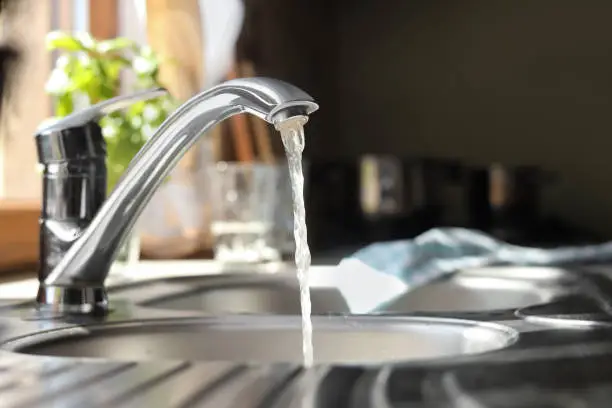
When water testing is done in homes or buildings, there is a natural tendency to choose the easiest option: the nearest sink, usually the kitchen faucet or a convenient bathroom tap.
It feels logical. It is accessible, familiar, and simple.
But in real plumbing systems, convenience does not equal representativeness.
One faucet can only show what is happening at one point in a complex system—not the full picture of how water behaves throughout the property.
That is why proper sample planning matters so much in professional water testing.
Why People Default to a Single Faucet
Most homeowners and even some property managers choose one tap because:
- It is easy to access
- It seems like the “main” water source
- It is where drinking water is most commonly used
- It reduces effort and time during sampling
However, this approach assumes that all water in the property behaves the same way—which is rarely true.
Why Plumbing Systems Are Not Uniform
Inside a single home or building, water does not travel through a single, identical path. Instead, it moves through a network of:
- Main supply lines
- Branch lines to different areas
- Pipes made of different materials
- Fixtures installed at different times
Each of these elements can influence water quality before it reaches the tap.
So even within the same property:
- Two faucets can receive water with different characteristics
- One line may show more corrosion influence than another
- Some fixtures may retain water longer than others
This variation is why one sample point is often insufficient.
How Branch Lines Affect Water Quality
Branch lines are smaller pipe sections that connect the main plumbing system to individual fixtures.
They can differ in:
- Length
- Material type (copper, PEX, galvanized steel, etc.)
- Age and condition
- Flow frequency
These differences can influence:
- Metal leaching levels
- Stagnation time
- Sediment accumulation
- Temperature changes in water
So even if two taps are in the same house, their branch lines may behave very differently.
Why Fixture Age and Type Matter
Not all faucets are equal in how they interact with water.
Different fixtures may:
- Contain different internal materials (brass, plastic, mixed alloys)
- Have different corrosion histories
- Retain water differently between uses
- Influence stagnation in small but meaningful ways
A newer fixture and an older fixture in the same home may not produce identical test results.
Why Stagnation Changes Everything
Stagnation refers to how long water sits in pipes before being used.
Longer stagnation can:
- Increase metal leaching potential
- Allow sediment to settle or accumulate
- Change chlorine or disinfectant levels
- Affect microbial activity in some systems
A rarely used bathroom sink may show very different results compared to a frequently used kitchen faucet.
Why Location Within the Property Matters
Even physical placement inside a building affects water behavior:
- Upper floors may experience different pressure conditions
- Fixtures closer to the main line may behave differently than distant ones
- Temperature changes can affect pipes in certain areas
This means a single faucet cannot represent the entire property’s plumbing environment.
Why One Sample Can Lead to Misleading Conclusions
If testing is based only on one faucet, it may:
- Miss localized issues elsewhere in the system
- Overrepresent or underrepresent contamination levels
- Hide variations between fixtures
- Create a false sense of uniformity
For example:
- A clean result at one tap does not guarantee all taps are clean
- A poor result at one fixture does not confirm a system-wide issue
Without multiple data points, interpretation becomes limited.
Why Better Sample Planning Changes Everything
Professional water testing improves accuracy by selecting sampling points strategically.
A stronger approach considers:
- Multiple fixtures across the property
- Different usage patterns
- Variations in plumbing materials
- Areas of concern or reported issues
This ensures the final data reflects the system more realistically.
Why Water Systems Behave Differently Across Fixtures
Water is constantly influenced by its path through plumbing. That means:
- Each fixture may show a slightly different “version” of the same water
- Flow history and usage patterns shape what is detected
- Plumbing conditions upstream affect results downstream
So even though the source is the same, the experience at each tap can differ.
Why Metals and Contaminants Can Vary by Location
Contaminants like lead, copper, or iron may not be evenly distributed.
Their levels can change due to:
- Contact time with pipes
- Material differences in branch lines
- Flow rate variations
- Fixture-specific corrosion behavior
This is why sampling strategy is critical when evaluating chemical results.
Why Microbial Results Can Also Differ
Bacteria and microbial indicators are also affected by location and usage.
They may vary due to:
- Stagnation in certain fixtures
- Differences in water turnover
- Biofilm presence in specific lines
- Temperature variations in plumbing segments
One faucet may not reveal these conditions across the system.
Why Professional Testing Uses Structured Sampling
A properly designed water testing program does not rely on convenience.
Instead, it may involve:
- Selecting representative fixtures
- Testing multiple points in the system
- Comparing results across locations
- Identifying patterns rather than isolated values
This approach creates a more accurate understanding of the system as a whole.
Why Laboratory Analysis Still Depends on Sampling Quality
Even the most advanced laboratory cannot compensate for poor sampling design.
If the sample is not representative:
- Results may not reflect actual system conditions
- Key issues may go undetected
- Interpretation may become misleading
This is why sample planning is as important as testing itself.
Why Water Quality Problems Require a Broader View
Water issues rarely exist at a single point. They are usually part of a wider system involving:
- Plumbing infrastructure
- Material interactions
- Usage behavior
- Environmental influences
Understanding broader water quality problems helps explain why multiple sampling points are often necessary.
Why Laboratory Structure Supports Better Decisions
A structured approach through laboratory services ensures:
- Consistency in analysis
- Reliable measurement techniques
- Proper interpretation of results
- Comparability between samples
But the quality of input samples still determines the value of the output.
Why Location Context Still Matters
Different regions and building types can influence plumbing systems and water behavior. That is why testing strategies may vary depending on the property environment.
Checking available locations helps ensure testing aligns with real-world conditions.
Final Thoughts
A single faucet may be convenient, but convenience does not equal completeness.
Water systems are complex networks, not single points of delivery. Branch lines, fixture differences, stagnation levels, and material variations all influence what appears at each tap.
That is why relying on one sample location can lead to incomplete or misleading conclusions.
A better approach uses thoughtful sampling across the system to build a clearer, more accurate picture.
Because in water testing, the goal is not to understand one faucet—it is to understand the entire system behind every faucet in the property.