
Families Deserve Better Water Answers Than Visual Guesswork
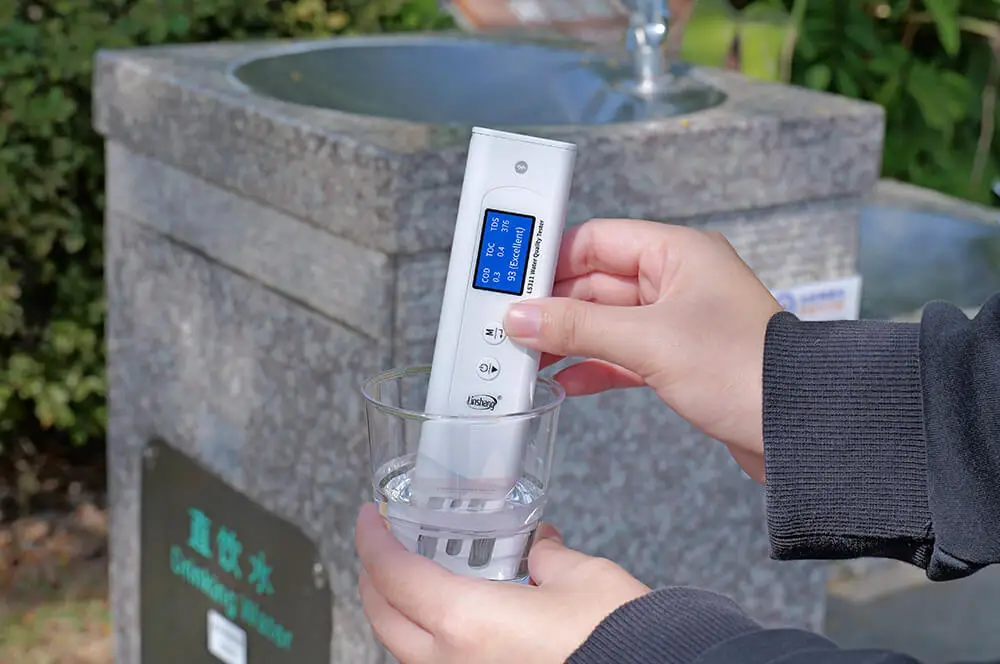
There is a natural instinct to judge the quality of your water by its appearance: “It looks clear, so it must be fine,” or “It’s a little yellow today, it must be the pipes.” But relying on sight, taste, or smell to assess water quality is a dangerous game. Many of the most significant risks […]
What a Strong Sample Plan Looks Like in Practice

A laboratory report is only as accurate as the sample it analyzes. If you collect water from the wrong place, at the wrong time, or using the wrong technique, even the most advanced laboratory services in the world cannot give you a reliable picture of your water quality. A strong sample plan is the bridge […]
HPC Results Need More Interpretation Than Most People Realize
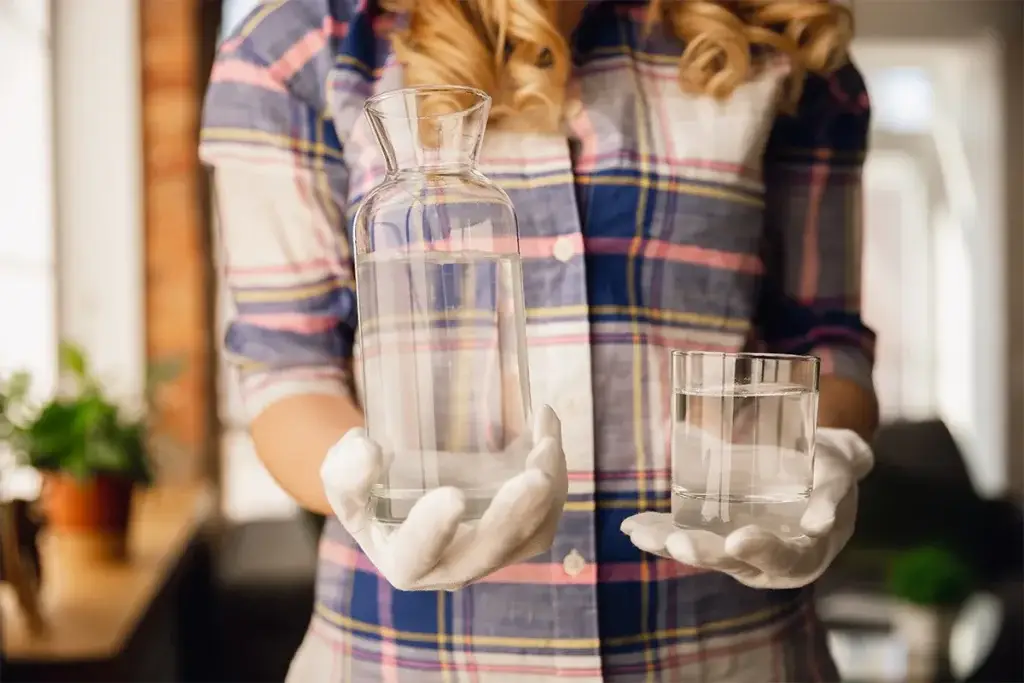
When you receive a water quality report, you will often see a parameter labeled HPC—Heterotrophic Plate Count. For many, it’s just another number on a page, but in the realm of microbiology, HPC is one of the most misunderstood and context-dependent tests you can perform. Unlike a targeted test for a specific pathogen (like E. […]
Why Mixed-Use Buildings Need Occupancy-Aware Water Testing
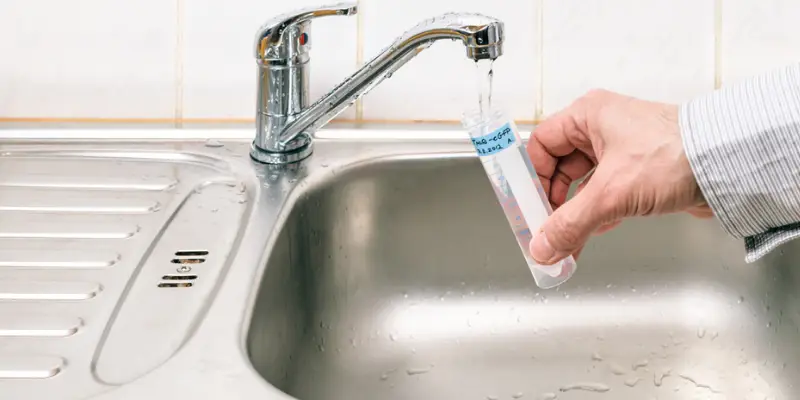
Mixed-use buildings—those vibrant hubs combining residential apartments, ground-floor retail, professional offices, and sometimes even food service—present a unique challenge for building managers. Unlike a single-family home or a purely commercial office block, these buildings have highly variable water usage patterns. One tenant might be a heavy-water-use coffee shop, while the floor above contains residential units […]
Arsenic Still Belongs in Serious Water Conversations

In the world of water quality, some contaminants grab headlines—like lead or bacteria—because they present an immediate, visceral risk. However, there is one silent, odorless, and tasteless contaminant that continues to warrant serious, focused attention: Arsenic. Because arsenic does not change the color or flavor of water, it is easy to assume it isn’t an […]
Why Generic Testing Templates Often Fall Short
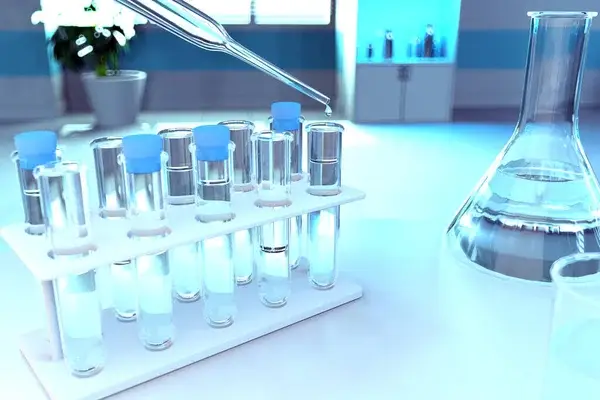
In a world where you can buy a “Standard Water Test Kit” with a single click, it is easy to assume that all water testing is created equal. However, water is a complex chemical solution that varies wildly depending on your local geology, your home’s age, and the infrastructure it travels through. Relying on a […]
What Families Should Do When the Water Looks Wrong

When you turn on the kitchen tap and the water runs an off-putting shade of yellow, or you notice a strange, cloudy consistency, the first reaction is often a mix of confusion and concern. It disrupts your sense of security in your own home. However, while “wrong-looking” water is an immediate red flag, it is […]
Iron Findings Can Mean More Than Staining in a Sink
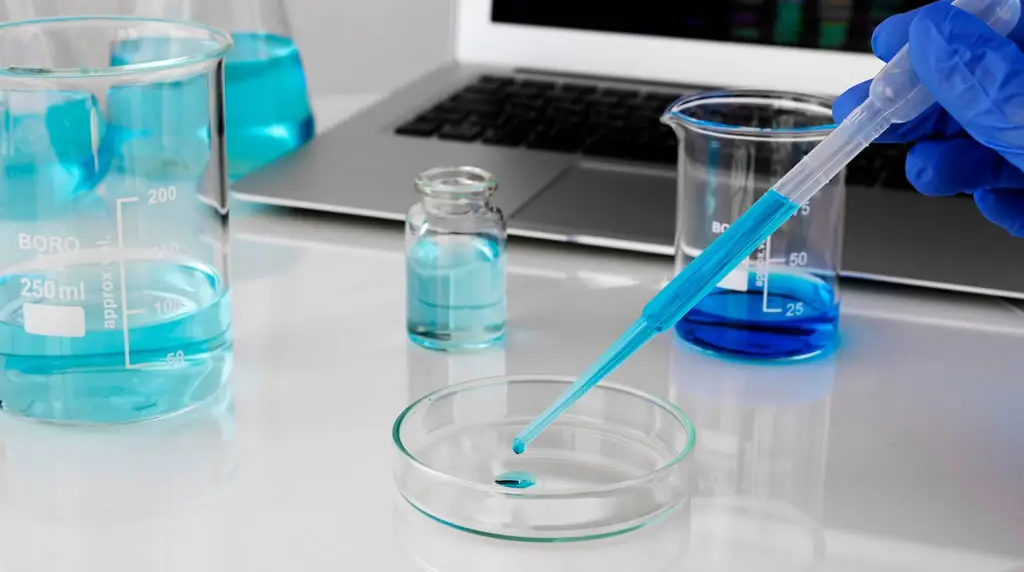
When you think of iron in your water, your mind likely jumps to the visual nuisances: the persistent orange-brown rings around your faucets, the discolored grout in your shower, or the dingy, yellowish tint your white linens develop after a few washes. While these aesthetic problems are frustrating and costly to manage, they are actually […]
A Home Buyer’s Guide to Water Testing Questions

Buying a home is often the largest financial investment of your life. During the due diligence phase, you will likely schedule a general home inspection to check the roof, the foundation, and the electrical panel. However, many buyers overlook the most essential “system” in the house: the water supply. Whether the property relies on a […]
How Property Managers Benefit From Better Water Records

For property managers, the “invisible” aspects of building operations are often the ones that create the most visible headaches. You are expected to keep the building running smoothly, keep tenants satisfied, and protect the property’s long-term value. Water quality often sits in the background—until the day a tenant reports a foul taste, a mysterious leak, […]