
A Smarter Approach to Testing for Families Who Want Real Answers
When you care for a household, your relationship with water is constant. It is in the coffee you brew, the pasta you boil, the baths you draw for your children, and the first glass of water your family drinks to start the day. Because this resource is so fundamental to your family’s daily life, “average” […]
What Brown Water May Actually Mean
There are few things as immediately alarming to a homeowner as turning on the kitchen faucet and seeing a stream of rusty, brown-tinted liquid instead of clear water. It disrupts your morning routine, ruins the appeal of a fresh glass of water, and creates an instant sense of unease about the safety of your home’s […]
A Better Way to Think About Water Testing After Renovation

Most homeowners view a renovation as a period of beautiful upgrades: new kitchen cabinets, a modernized bathroom, or a complete overhaul of the basement. Amidst the chaos of contractors, tile choices, and plumbing rough-ins, water quality is often the last thing on anyone’s mind. However, if you have recently altered your home’s plumbing—even if it […]
Copper Results Can Reveal More Than Most People Expect
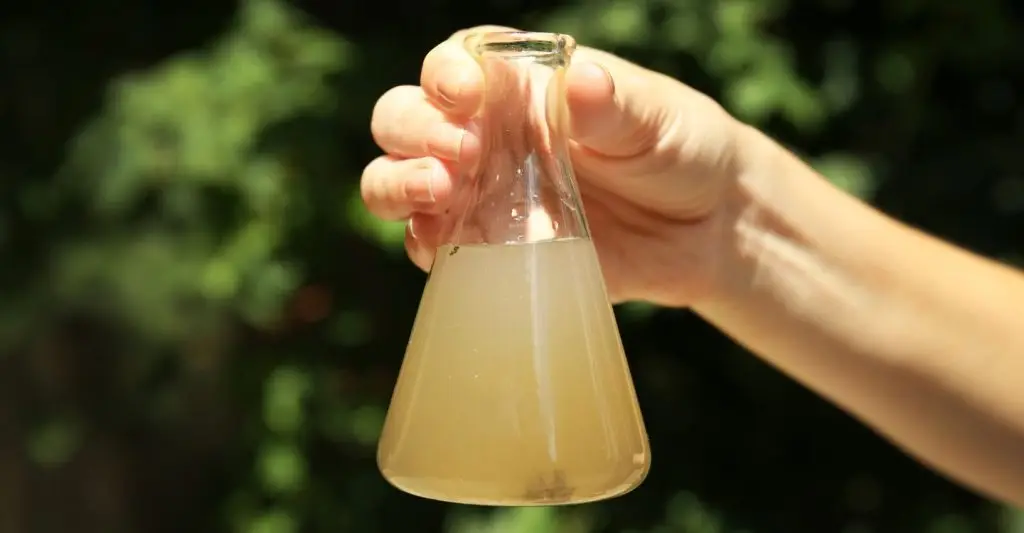
When you receive a water test report, your eyes probably dart straight to the bolded numbers—the ones that exceed safety limits or show up in the “danger” column. If you see a result for copper, you might think of it simply as a metal that needs to be filtered out if it’s too high. It’s […]
Why Water Testing Works Best When the Scope Is Built First
Water testing often gets treated as a simple sequence: collect a sample, send it to a lab, receive results. On paper, that looks straightforward. In practice, the quality of the final answer depends far more on what happens before the sample is ever taken. A technically accurate lab report can still be unhelpful if it […]
PFAS Testing Has Moved Into the Mainstream
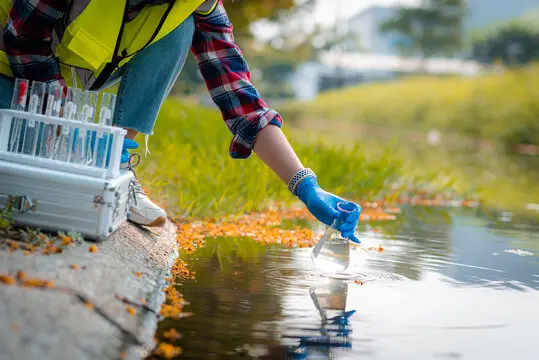
A few years ago, PFAS testing was mostly discussed in specialized environmental circles. It was something people associated with research reports, regulatory discussions, or industrial contamination cases—not everyday residential or commercial water testing. That situation has changed. Today, PFAS testing is increasingly part of standard water conversations, alongside more familiar concerns like lead, bacteria, corrosion, […]
Commercial Water Testing Should Be Treated as Operations Intelligence
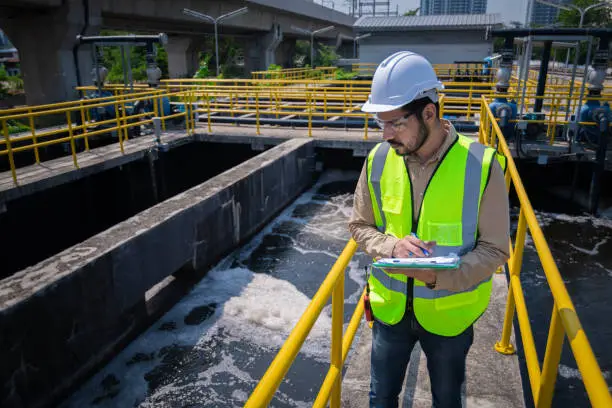
In many commercial buildings, water testing is still treated as a routine task—something done for compliance, documentation, or occasional reassurance. But that approach misses the real opportunity. When structured properly, commercial water testing is not just a technical exercise. It becomes a form of operations intelligence—a way to understand how a building’s plumbing system is […]
Why One Faucet Rarely Tells the Whole Story
When water testing is done in homes or buildings, there is a natural tendency to choose the easiest option: the nearest sink, usually the kitchen faucet or a convenient bathroom tap. It feels logical. It is accessible, familiar, and simple. But in real plumbing systems, convenience does not equal representativeness. One faucet can only show […]
A Guide to Common Drinking Water Contaminants
Most people do not think about drinking water in terms of chemistry or microbiology. They usually think in simple terms—clean, clear, safe, or something that “doesn’t look right.” But water quality is rarely that simple. In both residential and commercial settings, water can contain a wide range of contaminants and system-related conditions that are not […]
Bacteria Testing Still Belongs in Every Serious Water Conversation
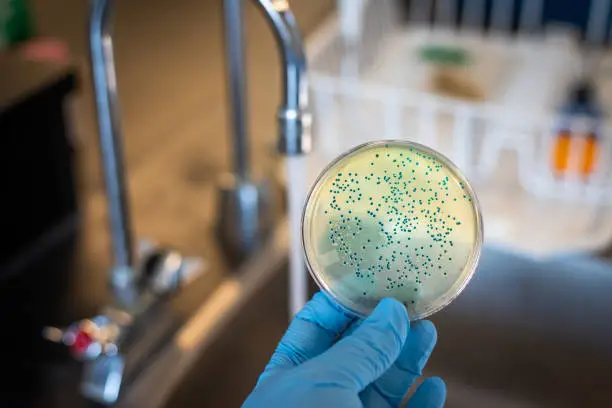
When people start thinking about water quality, their attention usually goes straight to metals like lead or copper. That makes sense because these are widely discussed, often linked to plumbing materials, and easy to associate with long-term exposure concerns. But focusing only on metals creates a blind spot. In many real-world cases, microbiological conditions in […]